
Three Critical Facts That Could Save Your Life
- Antivenom Is Available: After years of shortages, South Africa now has stable antivenom supplies. Both locally produced SAVP and WHO-approved imported PANAF Polyvalent are stocked at major trauma centers across Gauteng.
- Go Straight to Level 1 or 2 Trauma Centers: Skip local clinics in an emergency. Facilities like Netcare Milpark, Steve Biko Academic Hospital, and Chris Hani Baragwanath have the antivenom, ICU capacity, and ventilators needed for severe envenomation.
- Modern First Aid Saves Lives, Old Myths Kill: Immobilize the limb and get to a hospital immediately. Never cut the wound, suck out venom, or apply a tourniquet (except in rare, specific circumstances with confirmed Black Mamba or Cape Cobra bites when more than 90 minutes from help).
You’re halfway up a rocky ridge in the Magaliesberg, photographing the sunset over Hartbeespoort Dam, when you feel a sharp strike on your ankle. A dark shape disappears into the rocks. Your heart races. Do you know where the nearest hospital with antivenom is? Do you remember what first aid actually works? In the critical 20 minutes that follow, outdated information can be as dangerous as the venom itself. The good news: South Africa’s antivenom crisis is over. The better news: you’re about to learn exactly where your lifeline is and how to reach it alive.
The Real Story: Is Antivenom Actually Available in 2026?
Yes. After several challenging years, South Africa’s antivenom situation has stabilized. Here’s what you need to know:
Production Has Resumed
The National Health Laboratory Service successfully resumed antivenom production in September 2025, releasing over 500 units into the supply chain. The first batch included 435 units of polyvalent antivenom (effective against multiple species) and 101 units of monovalent antivenom.
The PANAF Solution
While SAVP production was interrupted, hospitals and veterinarians have been using PANAF Polyvalent, a WHO-approved antivenom imported from India. This product has several advantages:
- Approved by the World Health Organization
- Powder form that doesn’t require refrigeration
- Four-year shelf life
- Room temperature storage up to 30°C
- Significantly lower rates of allergic reactions compared to SAVP antivenom
- Now widely stocked in both private and state hospitals
The Reality Today: Fewer than 100 people receive antivenom annually in South Africa, and current supplies are more than sufficient. Each patient typically needs 6-12 vials for cytotoxic bites and 10-20 vials for neurotoxic bites when using PANAF Polyvalent.
Your Emergency Hospital Map: Where to Go NOW
When bitten, time is everything. These accredited trauma centers maintain antivenom stocks and have the specialized ICU staff to manage respiratory failure or anaphylaxis:
Johannesburg Metro (Level 1 & 2 Hubs)
- Premier Level 1 private trauma center
- Highly specialized in burns and tissue damage from cytotoxic bites (Puff – Adders, Spitting Cobras)
- 24/7 emergency department
- Location: Parktown, Johannesburg
- Major public sector facility
- Extensive experience treating peri-urban snakebite cases
- One of the largest hospitals in the Southern Hemisphere
- Location: Soweto, Johannesburg
- Critical Level 1 facility for southern Gauteng
- Location: Alberton, Johannesburg South
Pretoria & Eastern Magaliesberg
- Primary public tertiary hub for Tshwane
- Leading research on updated snakebite protocols
- Major trauma and ICU capabilities
- Location: Pretoria
- Level 2 trauma center in Centurion
- Strategic location between Johannesburg and Pretoria
- Location: Centurion
- Ideal for northern slopes of Magaliesberg
- Serves Pretoria North and Mabopane areas
- Location: Akasia, Pretoria
- Specialized trauma services
- Close to Pretoria city center
- Location: Pretoria
Rustenburg & Western Magaliesberg
- Recently expanded emergency department
- Primary Level 3 trauma center for North West Province
- Critical for western Magaliesberg hikers
- Location: Rustenburg
Know Your Enemy: Magaliesberg Snake Species
Understanding which snakes you might encounter helps medical teams respond faster:
The Big Three (Most Common Serious Bites)
Puff Adder (Bitis Arietans)

- Venom type: Cytotoxic
- Symptoms: Immediate pain, rapid swelling, tissue damage
- Behavior: Lies motionless, often stepped on accidentally
- Antivenom needs: 10 vials PANAF Polyvalent initially
Mozambique Spitting Cobra (Naja Mossambica)

- Venom type: Cytotoxic (can also spit venom at eyes)
- Symptoms: Severe tissue damage, swelling within minutes
- Behavior: Common in gardens, active at night
- Antivenom needs: 10 vials PANAF Polyvalent initially
- Special concern: Least effectively neutralized by antivenom; early treatment critical
Snouted Cobra (Naja Annulifera)
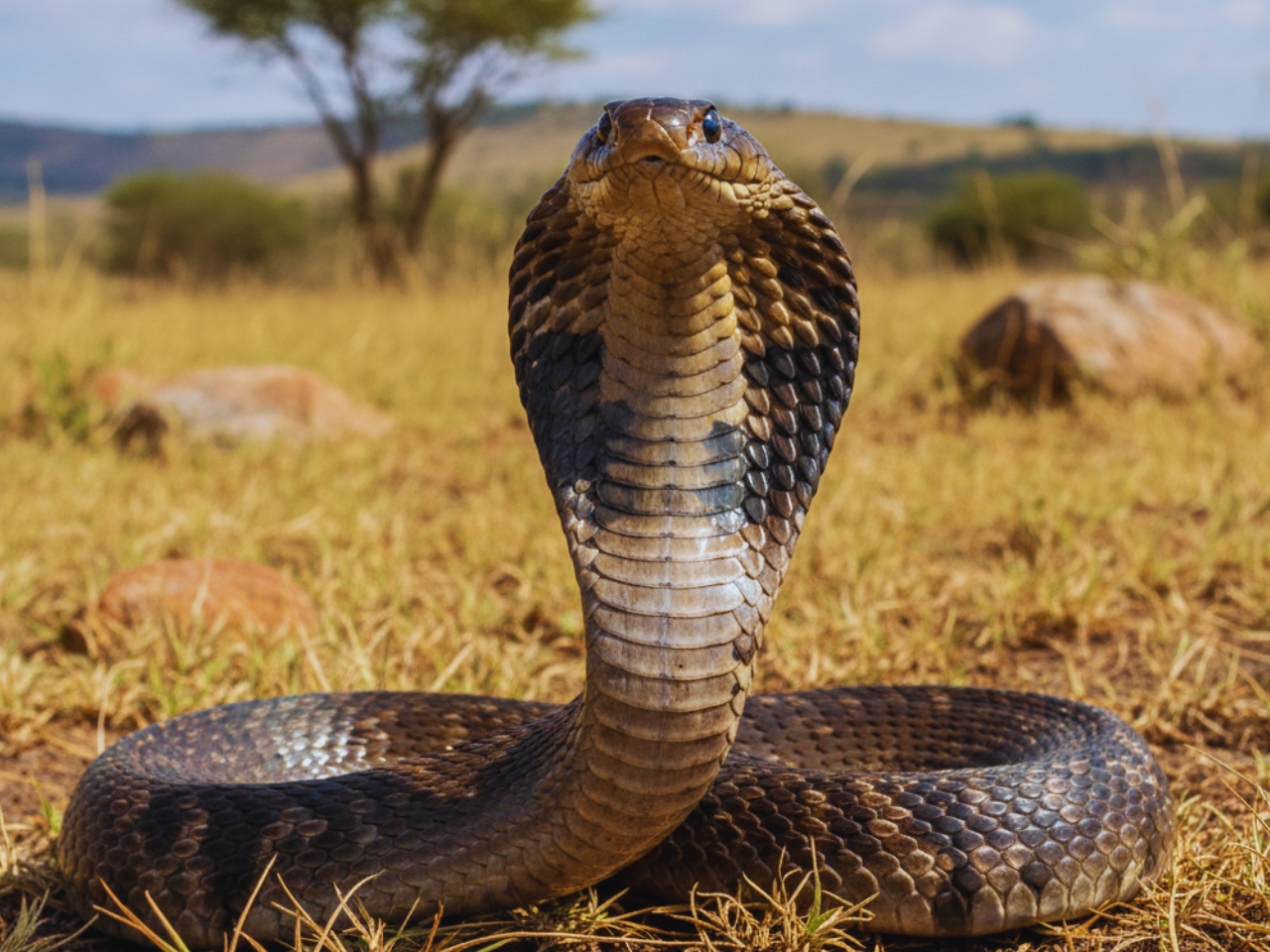
- Venom type: Neurotoxic
- Symptoms: Drooping eyelids, difficulty breathing, progressive paralysis
- Behavior: Found in rocky areas
- Antivenom needs: 10+ vials PANAF Polyvalent initially
The Mamba Factor
Black Mamba (Dendroaspis Polylepis)
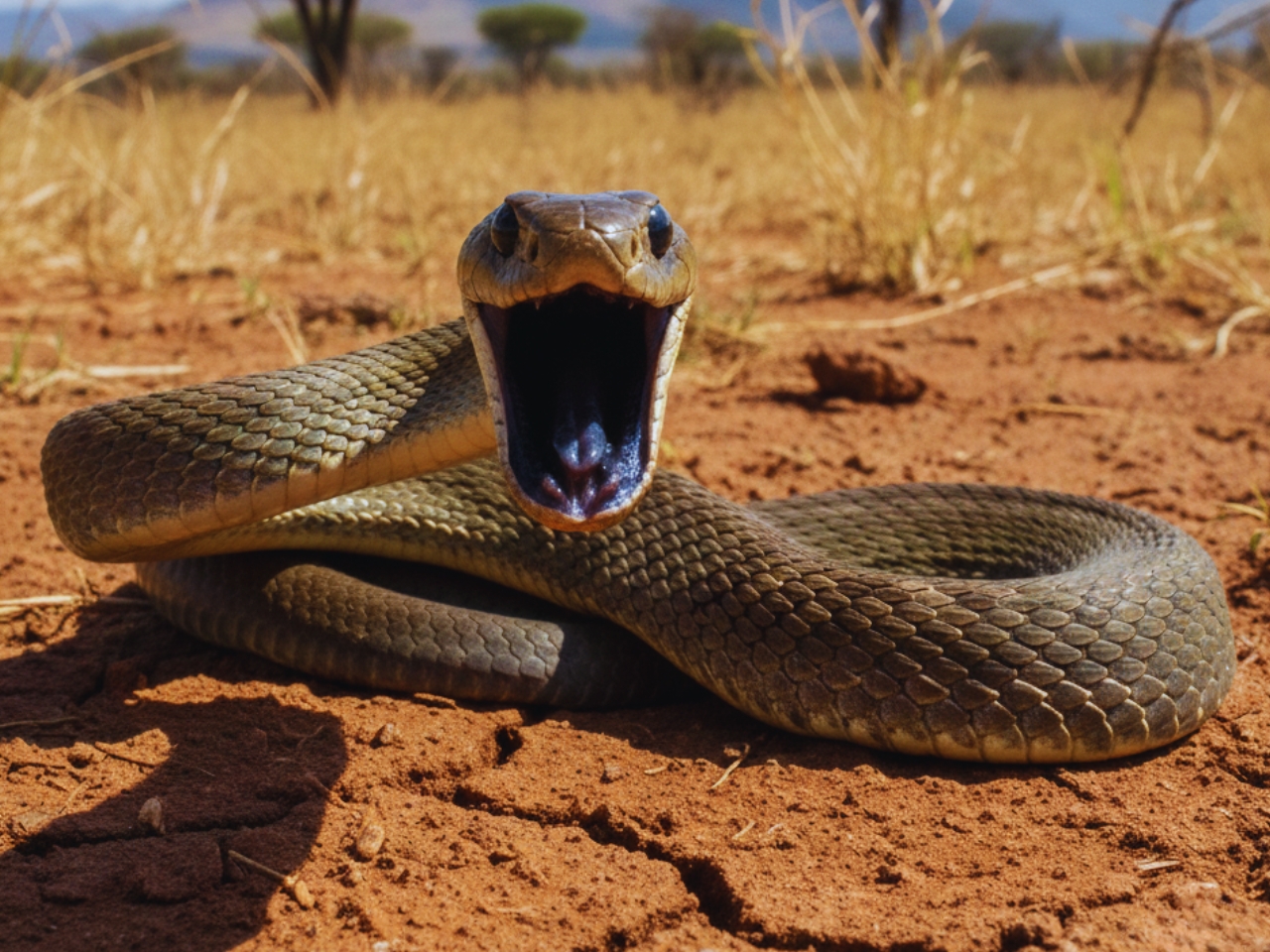
- Venom type: Neurotoxic (highly potent)
- Symptoms: Rapid onset of respiratory paralysis (can occur within 20-30 minutes)
- Behavior: Rare in gardens, found in deep kloofs and rocky areas of Magaliesberg
- Critical: Requires IMMEDIATE transport to hospital with mechanical ventilation
- Antivenom needs: 10-15 vials PANAF Polyvalent initially
Species With No Antivenom
Berg Adder (Bitis Atropos)
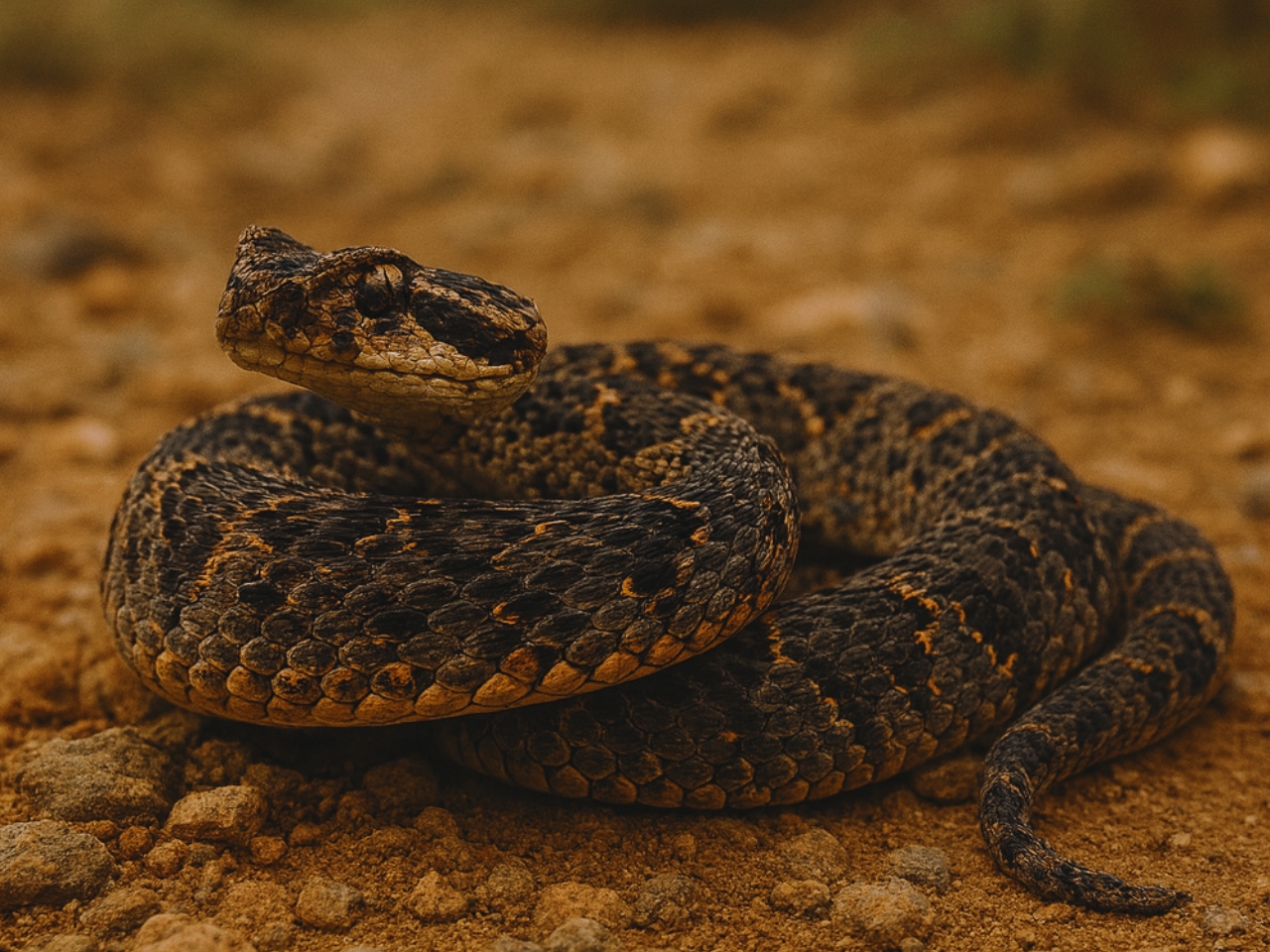
- Small mountain viper common in Magaliesberg
- No specific antivenom available
- Treatment: Supportive care in ICU, pain management
Bibron’s Stiletto Snake (Atractaspis Bibronii)
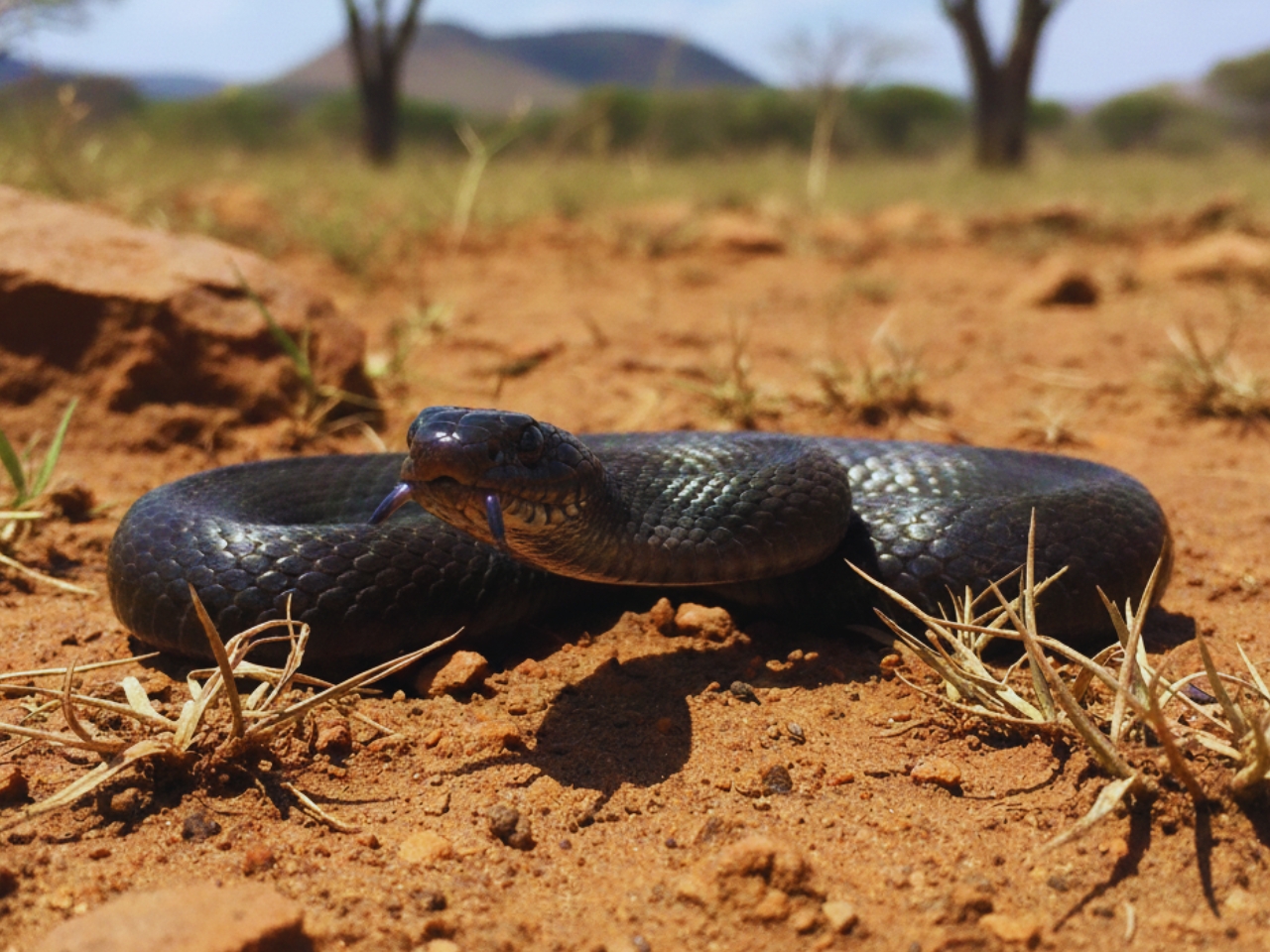
- Unique side-stabbing fangs
- No specific antivenom available
- Treatment: Supportive care, cardiac monitoring
First Aid That Actually Works: 2026 Evidence-Based Guidelines
DO These Things Immediately:
1. Get to a Hospital Fast
- Use Google Maps, Waze, or the ASI Snakes App to locate the nearest emergency room
- Call ahead: 082 911 for Netcare hospitals, or 10177 for emergency services
- Don’t waste time trying to capture or photograph the snake
2. Immobilize the Affected Limb
- Keep the bitten area still and below heart level if possible
- Movement pumps venom through the lymphatic system
- Use a splint or sling if available
- Avoid walking if the leg is bitten—carry the victim or call for transport
3. Remove Jewelry and Tight Clothing
- Swelling from cytotoxic bites can be rapid and severe
- Rings, watches, and tight sleeves can cause circulation problems as the limb swells
4. Mark the Bite Site
- Draw a circle around the bite with a pen
- Note the time of the bite
- This helps doctors track venom spread
5. Reassure the Victim
- Stay calm—panic increases heart rate and venom spread
- Most bites don’t result in death when properly treated
- About 50% of venomous snake bites are “dry bites” with little to no venom injected
NEVER Do These Things:
❌ Do NOT Cut or Suck the Wound
- Does not remove venom
- Dramatically increases infection risk
- Can cause severe tissue damage
- This outdated method has been proven completely ineffective
❌ Do NOT Use a Tourniquet (With Rare Exceptions)
- Arterial tourniquets can cause limb ischemia and gangrene
- Can worsen tissue damage in cytotoxic bites
- Rapid removal can cause “venom rush” and sudden respiratory arrest
- ONLY exception: Confirmed Black Mamba or Cape Cobra bite when you are alone and more than 90 minutes from medical help—use a proper arterial tourniquet designed for this purpose
❌ Do NOT Apply Ice or Heat
- Does not neutralize venom
- Can cause additional tissue damage
❌ Do NOT Give Alcohol or Medication
- Can mask symptoms doctors need to assess
- May interact dangerously with antivenom
❌ Do NOT Try to Inject Antivenom Yourself
- Antivenom must be given intravenously by trained medical staff
- Up to 40% of patients experience allergic reactions to some antivenoms
- Anaphylaxis requires immediate medical intervention
Special Note: Pressure Immobilization Technique
This technique, developed in Australia, involves wrapping the entire limb with firm pressure (like a sprain bandage) plus immobilization.
Research shows:
- May be helpful for confirmed neurotoxic bites (Black Mamba, Cape Cobra)
- Should NOT be used for cytotoxic bites (Puff Adder, Spitting Cobras) as it may worsen tissue damage
- Difficult for laypeople to apply correctly
- When in doubt, prioritize immobilization and rapid transport over bandaging
What Happens at the Hospital?
Assessment Phase
Medical staff will:
- Monitor vital signs (blood pressure, heart rate, breathing)
- Assess the bite site for swelling, pain, and discoloration
- Draw blood to check clotting factors
- Determine if antivenom is needed (remember, 9 out of 10 hospitalized snakebite victims don’t need antivenom)
If Antivenom Is Required
- Administered intravenously via saline drip
- Usually given over 30-60 minutes
- Patient monitored closely for allergic reactions
- Additional vials may be given based on symptom progression
- ICU admission for serious cases
Cost Reality
- Antivenom alone: R20,000-R40,000+ (PANAF requires higher doses than SAVP)
- Total treatment: R100,000-R1,000,000+, depending on severity
- Multiple surgeries for severe tissue damage significantly increase costs
- Medical aid coverage varies—check your plan
Prevention: Your Best Defense
In Gardens and Yards:
- Keep grass short and clear debris
- Seal gaps under doors and in walls
- Remove food sources (rodents attract snakes)
- Check shoes and gardening gloves before use
- Use a torch at night
While Hiking in the Magaliesberg:
- Wear ankle-high boots and long pants
- Watch where you place your hands and feet
- Don’t reach into holes or under rocks
- Stay on established trails
- Hike during daylight hours when snakes are visible
- Carry a fully charged phone with emergency numbers
Essential Apps and Numbers:
- ASI Snakes App: Free snake identification and first aid
- Emergency Services: 10177
- Netcare 911: 082 911
- ER24: 084 124
- Poison Information Helpline: 0861 555 777
The Bottom Line
The Magaliesberg remains one of South Africa’s most beautiful and accessible mountain ranges, but it’s also home to some of Africa’s most medically significant snakes.
Here’s the 2026 reality:
- ✅ Antivenom is available at major trauma centers
- ✅ Treatment success rates are high when patients reach hospitals quickly
- ✅ Modern first aid works—immobilization and rapid transport save lives
- ✅ The crisis is over—both SAVP and PANAF antivenoms are in supply
By knowing which hospitals to head for, understanding basic first aid, and staying calm in an emergency, a snakebite becomes a manageable medical event rather than a tragedy. Keep your phone charged, know your nearest Level 1 or 2 trauma center, and enjoy the Magaliesberg with confidence.
Stay safe. Stay informed. The mountains are calling—answer them prepared.